Stretch Wrap Supplies

98 results
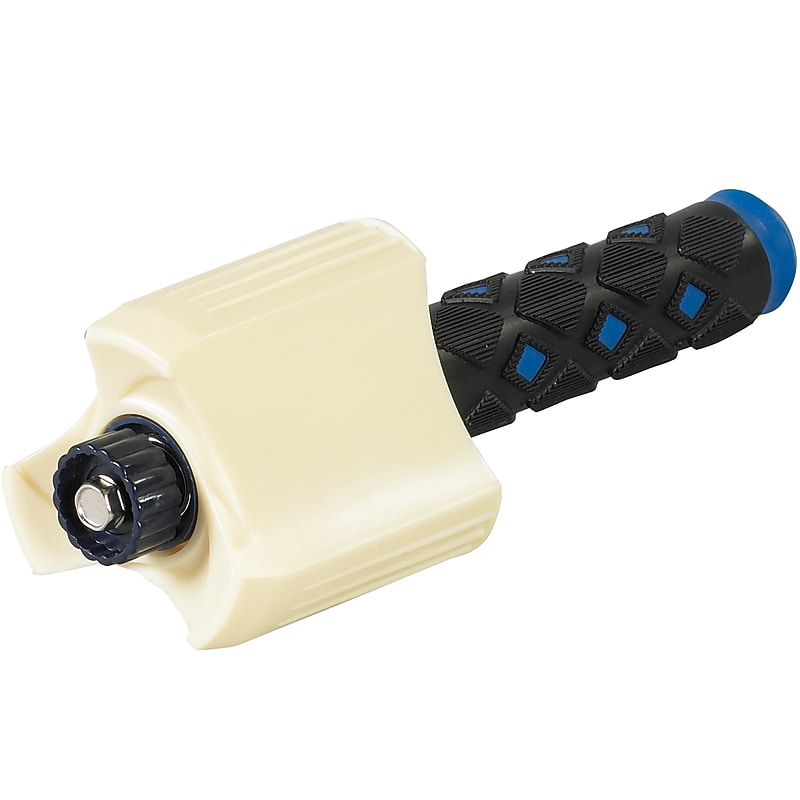
Partners Brand Mini-Wrap Dispenser, Blue/White (TNB101) image 1
Item: 192378
Model: TNB101

Mini-Wrap dispenser features foam grip handle/ball bearing control system for adjusting tension. Dispenser is capable of holding 3" core bundling film and is ideal for narrow width bundling stretch film up to 10" wide..Features a ball bearing control system to adjust tension..Designed for Narrow Width Bundling Stretch Film up to 10" wide..Adjustable tensioner with a comfortable foam grip handle..Fits 3" core rolls..Bundling stretch film mini-wrap dispenser features a ball bearing control system to adjust tension.
Price is  $37.89
1
2
3
4
5
6
7
8
9
10
11
12
13
14
15
16
17
18
19
20
21
22
23
24
25
26
27
28
29
30
Over 30
Add to list
1
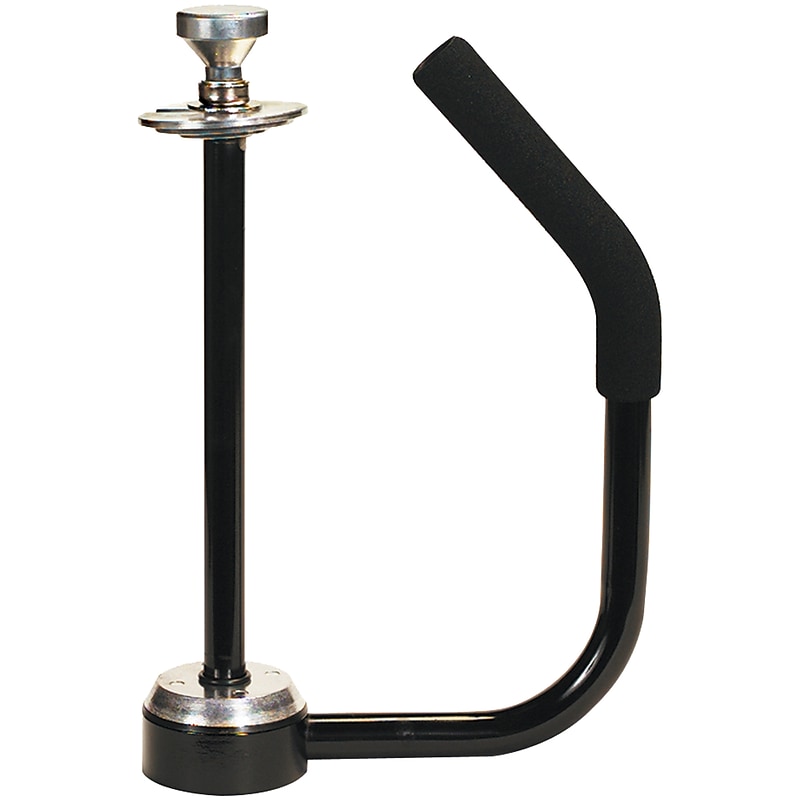
Stretch Dispenser, Black/Silver (SFDIS277) image 1
Item: 492663
Model: SFDIS277

Stretch wrap dispenser with heavy duty knob grip features ball bearing tension control. Wrap dispenser with rotating cast aluminum base is an ideal choice to hold 11 1/2" - 20" film..Dispensers make applying stretch film easier..Features ball bearing tension control for even wrapping..Prevents friction on hands..Adjusts to accommodate various roll widths..Use with all hand stretch film rolls..Heavy-duty stretch wrap dispenser with rotating cast aluminum base holds 11 1/2" - 20" film.

Price is  $186.09
1
2
3
4
5
6
7
8
9
10
11
12
13
14
15
16
17
18
19
20
21
22
23
24
25
26
27
28
29
30
Over 30
Add to list
No reviews yet

About Stretch Wrap Supplies

Stretch wrap supplies are essential for securing and protecting items during storage and transportation. These supplies are designed to provide a tight, protective layer around products, preventing damage from dust, moisture, and shifting during transit.

Available in various sizes and gauges, stretch wrap supplies cater to different packaging needs, making them ideal for warehouses, shipping departments, and retail environments. Their versatility allows for use on pallets, individual items, and irregularly shaped products.

When choosing stretch wrap supplies, consider factors such as gauge thickness, width, and type of stretch film. Thicker gauges offer enhanced durability and puncture resistance, while pre-stretched options provide ease of use and reduced waste, making them suitable for high-volume applications.

Additionally, look for features like tinted films for added privacy and color-coding, as well as dispensers that enhance efficiency during application. These features ensure that your packaging process is streamlined and effective, providing reliable protection for your goods.

What is stretch wrap used for?

  • Stretch wrap is primarily used to secure and protect items during storage and shipping. It helps prevent damage from dust, moisture, and movement, ensuring that products remain intact throughout the logistics process.

What are the different types of stretch wrap?

  • There are several types of stretch wrap, including cast stretch wrap, blown stretch wrap, and pre-stretched films. Each type offers unique benefits, such as clarity, strength, and ease of handling, catering to various packaging needs.

How thick should stretch wrap be?

  • The thickness of stretch wrap is measured in gauges, typically ranging from 30 to 80 gauge. Thicker wraps provide better puncture resistance and durability, making them suitable for heavier or irregularly shaped items.

Can stretch wrap be reused?

  • While stretch wrap is designed for single-use applications, it can sometimes be reused if it remains intact and clean. However, reusing stretch wrap may compromise its effectiveness in protecting items.

What is the difference between cast and blown stretch wrap?

  • Cast stretch wrap is generally clearer, quieter, and easier to handle, while blown stretch wrap offers superior strength and puncture resistance. The choice between the two depends on specific packaging requirements and handling conditions.

How do I choose the right stretch wrap for my needs?

  • To choose the right stretch wrap, consider the weight and shape of the items being wrapped, the required level of protection, and whether you need features like color coding or UV protection. Evaluating these factors will help you select the most suitable option for your packaging tasks.