

Espresso Benches & Beam Seating
Best Match
Grid view
Pick up and Delivery
Brand
Furnishing Color
Furnishing Material
Furnishing Style
Number of Seats
Price


Item: 2073081
Model: 94143
Price is $260.59
Free delivery by Tue, Jul 21
1
1
2
3
4
5
6
7
8
9
10
11
12
13
14
15
16
17
18
19
20
21
22
23
24
25
26
27
28
29
30
Over 30
Add to list

Item: 55688
Model: 92633
Price is $175.29
Free delivery by Tue, Jul 21
1
1
2
3
4
5
6
7
8
9
10
11
12
13
14
15
16
17
18
19
20
21
22
23
24
25
26
27
28
29
30
Over 30
Add to list


Item: 55666
Model: 92439
Price is $157.89
Free delivery by Tue, Jul 21
1
1
2
3
4
5
6
7
8
9
10
11
12
13
14
15
16
17
18
19
20
21
22
23
24
25
26
27
28
29
30
Over 30
Add to list


Winsome Addison Storage Bench with Cushion Seat, Espresso (92349) is Out of stock
Item: 2073083
Model: 92349
Price is $184.69
Add to list
Trending now
Page 1 of 4

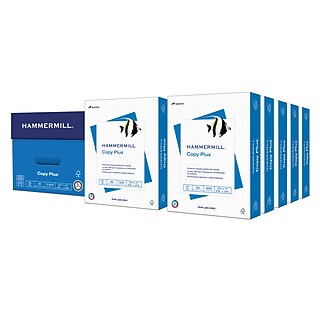
Price is $49.99, Regular price was $83.19, You save 39%
Unit of measure 5000/Carton
Free Next-Day eligible by tomorrow
30-min pickup
1
1
2
3
4
5
6
7
8
9
10
11
12
13
14
15
16
17
18
19
20
21
22
23
24
25
26
27
28
29
30
Over 30
Add to list

Price is $11.69
Next-Day Delivery by tomorrow
30-min pickup
1
1
2
3
4
5
6
7
8
9
10
11
12
13
14
15
16
17
18
19
20
21
22
23
24
25
26
27
28
29
30
Over 30
Add to list
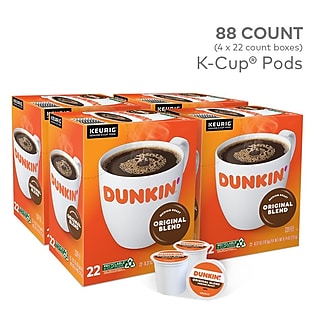
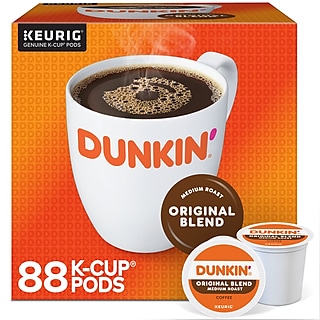
Price is $82.99
Unit of measure 88/Carton Price per unit $0.94/Pod
Free Next-Day eligible by tomorrow
1
1
2
3
4
5
6
7
8
9
10
11
12
13
14
15
16
17
18
19
20
21
22
23
24
25
26
27
28
29
30
Over 30
Add to list

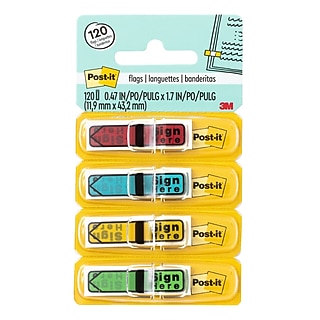
Price is $5.43, Regular price was $7.99, You save 32%
Unit of measure 120/Pack Price per unit $0.04/Flag
Next-Day Delivery by tomorrow
30-min pickup
1
1
2
3
4
5
6
7
8
9
10
11
12
13
14
15
16
17
18
19
20
21
22
23
24
25
26
27
28
29
30
Over 30
Add to list
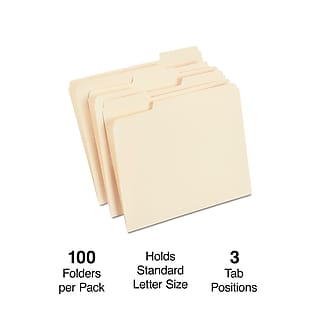
Price is $18.49
Unit of measure 100/Box Price per unit $0.18/File Folder
Next-Day Delivery by tomorrow
30-min pickup
1
1
2
3
4
5
6
7
8
9
10
11
12
13
14
15
16
17
18
19
20
21
22
23
24
25
26
27
28
29
30
Over 30
Add to list











A deep-colored espresso bench sets a tasteful tone wherever it is placed in an office. A modern, solid-wood bench adds extra seating or serves as an end table for a lamp and a few magazines in the reception area. The simple design of these benches blends well with existing office decorating periods, whether traditional or modern.
A Cushioned Espresso Bench Works Well in the Office
Seating with luxurious, leather-upholstered cushions coordinates well with the professional appearance of a dark wood desk and executive chair. Use it as an ottoman or a surface to spread out paperwork for casual business meetings.
Espresso beam seating along a bank of windows provides a place for users to sit and enjoy the view from the office lunchroom. A bench with a laminate surface installed next to the cushion makes a handy place to sit with a lunch bag and book.
Dark wood seating with a supportive back and seat makes a relaxing spot to put diners at ease while they wait for their table. Benches with attractive tufted coffee-colored fabric upholstery and espresso-finished frames match the decor of many restaurants.
Benches Fit in Many Places at Home
A composite wood bench with a laminated seat in the mudroom provides an easy-to-clean space to remove boots and shoes before going onto carpeted surfaces. Espresso beam seating with divided storage nooks has plenty of room for neatly storing shoes from flip flops to heavy work boots. CARB compliance of these benches ensures a healthy home environment.
Added under the outdoor awning at home, slatted espresso seating has a lightweight, airy appeal for a patio meal. Use the recess under the bench to display plants and accent pieces.
What Does CARB-Compliant Mean?
The California Air Resources Board (CARB) is responsible for setting state air-quality standards for furniture materials and finishes, truck exhaust emissions, and other air-quality issues. A CARB-compliant bench is constructed with adhesives, finishes, cushioning, and upholstery materials that follow guidelines to ensure high-quality indoor air.
What Is Composite Lumber, and Is It Strong Enough for Longer Benches?
Composite lumber is a mixture of wood fiber, plastic, and a binding agent. Denser and stronger than wood alone, it is less likely to split, but is much like wood to work with. Composite lumber is resistant to scratches and mold, requires little maintenance, and stands the test of time and heavy use. Delivered from the manufacturer with a finished surface, composite lumber requires no sanding, stain, or paint. Many benches are constructed from composites made from recycled plastic and waste wood, making them environmentally friendly.
What Is the Difference Between Laminate and Veneer?
Laminate is made with synthetic materials. The appearance of wood grain is applied with a method similar to printing. The color of laminate is determined during manufacture, and it can be primed and painted after light sanding to remove the glossy finish.
Veneer is a thinly sliced layer of hardwood applied to plywood, composite lumber, particle board, or a softer wood. A bench made with veneer has the appearance of solid wood and can be stained, varnished or painted. A hardwood frame with a veneer top fits right in with solid wood furniture.
A Cushioned Espresso Bench Works Well in the Office
Seating with luxurious, leather-upholstered cushions coordinates well with the professional appearance of a dark wood desk and executive chair. Use it as an ottoman or a surface to spread out paperwork for casual business meetings.
Espresso beam seating along a bank of windows provides a place for users to sit and enjoy the view from the office lunchroom. A bench with a laminate surface installed next to the cushion makes a handy place to sit with a lunch bag and book.
Dark wood seating with a supportive back and seat makes a relaxing spot to put diners at ease while they wait for their table. Benches with attractive tufted coffee-colored fabric upholstery and espresso-finished frames match the decor of many restaurants.
Benches Fit in Many Places at Home
A composite wood bench with a laminated seat in the mudroom provides an easy-to-clean space to remove boots and shoes before going onto carpeted surfaces. Espresso beam seating with divided storage nooks has plenty of room for neatly storing shoes from flip flops to heavy work boots. CARB compliance of these benches ensures a healthy home environment.
Added under the outdoor awning at home, slatted espresso seating has a lightweight, airy appeal for a patio meal. Use the recess under the bench to display plants and accent pieces.
What Does CARB-Compliant Mean?
The California Air Resources Board (CARB) is responsible for setting state air-quality standards for furniture materials and finishes, truck exhaust emissions, and other air-quality issues. A CARB-compliant bench is constructed with adhesives, finishes, cushioning, and upholstery materials that follow guidelines to ensure high-quality indoor air.
What Is Composite Lumber, and Is It Strong Enough for Longer Benches?
Composite lumber is a mixture of wood fiber, plastic, and a binding agent. Denser and stronger than wood alone, it is less likely to split, but is much like wood to work with. Composite lumber is resistant to scratches and mold, requires little maintenance, and stands the test of time and heavy use. Delivered from the manufacturer with a finished surface, composite lumber requires no sanding, stain, or paint. Many benches are constructed from composites made from recycled plastic and waste wood, making them environmentally friendly.
What Is the Difference Between Laminate and Veneer?
Laminate is made with synthetic materials. The appearance of wood grain is applied with a method similar to printing. The color of laminate is determined during manufacture, and it can be primed and painted after light sanding to remove the glossy finish.
Veneer is a thinly sliced layer of hardwood applied to plywood, composite lumber, particle board, or a softer wood. A bench made with veneer has the appearance of solid wood and can be stained, varnished or painted. A hardwood frame with a veneer top fits right in with solid wood furniture.