



Dremel® Heavy-Duty Cut-Off Wheels, Applicable Materials Ceramics, Most Metals, Wood
$16.19
1

Highlights
View all details
- Thickness: 0.04-inch
- Diameter: 15/16-inch
- Color: Red
Dremel® Heavy-Duty Cut-Off Wheels, Applicable Materials Ceramics, Most Metals, Wood
Item #: 711022Model #: 114-420
$16.19
20/pack
Free Returns
Online. In store. Always free.
Learn More

1
1
2
3
4
5
6
7
8
9
10
11
12
13
14
15
16
17
18
19
20
21
22
23
24
25
26
27
28
29
30
Over 30
Add to list
About this product
Dremel® Red Cut-Off Wheel: Easy to cut bolts or screws or make slots in rusted or stripped bolts and screws, for removal with a screwdriver.
Dremel® 15/16" Dia Cut-Off wheel with 0.04" thickness comes in red color is designed to cut bolts, screws and make slots. Cut-off wheel is ideal for cutting, grooving and trimming all kinds of metal.
- Thickness: 0.04-inch
- Diameter: 15/16-inch
- Color: Red
- Ideal for cutting, grooving and trimming all kinds of metal. Can also be used on other materials-including thin wood, plastics and ceramics
- Cut-off wheels make it easy to cut bolts or screws or make slots in rusted or stripped bolts and screws for removal with a screwdriver
- Mandrel: 402
- Cut-off wheel cuts only along its edge
- Ideal for cutting, grooving and trimming all kinds of metal, may also be used on other materials-including thin wood, plastics and ceramics
- The cut-off wheel cuts only along its edge, do not attempt to sand or cut curved holes with them
- Secure objects to a stable surface while working
- Hold the tool so that the wheel is at a perpendicular angle to the material being cut
- Keep a light touch, as the wheel will break under too much pressure. If chattering occurs, increase speed
- Plastics require very slow speeds, because they tend to melt at the contact point, wood requires low speeds also, always experiment on a scrap first
Frequently bought together
Page 1 of 4


Price is $19.99
Next-Day Delivery by tomorrow
1
1
2
3
4
5
6
7
8
9
10
11
12
13
14
15
16
17
18
19
20
21
22
23
24
25
26
27
28
29
30
Over 30
Add to list

Price is $16.19
Next-Day Delivery by tomorrow
30-min pickup
1
1
2
3
4
5
6
7
8
9
10
11
12
13
14
15
16
17
18
19
20
21
22
23
24
25
26
27
28
29
30
Over 30
Add to list


Price is $449.00
Free Next-Day eligible by tomorrow
30-min pickup
1
1
Add to list

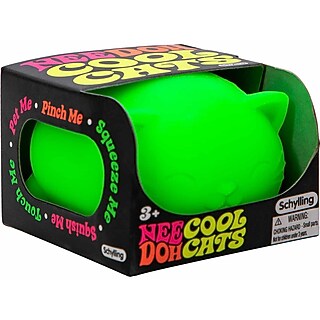
Schylling NeeDoh Cool Cats Stress Ball, Assorted Colors (CCND) is In-store only
Price is $5.29
Add to list
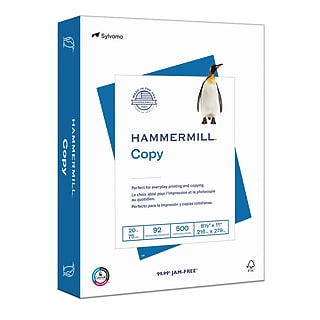
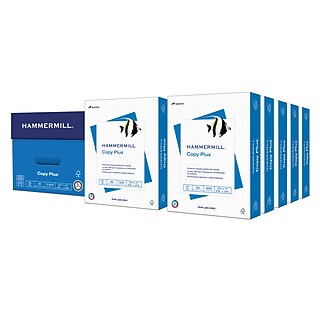
Price is $48.99, Regular price was $83.19, You save 41%
Unit of measure 5000/Carton Price per unit $4.90/Ream
Free Next-Day eligible by tomorrow
30-min pickup
1
1
2
3
4
5
6
7
8
9
10
11
12
13
14
15
16
17
18
19
20
21
22
23
24
25
26
27
28
29
30
Over 30
Add to list









Compare similar items
| Attributes | Dremel® Heavy-Duty Cut-Off Wheels, Applicable Materials Ceramics, Most Metals, Wood | Dremel® Engraver Points, Applications Normal | Dremel® Abrasive Disc Mandrels, Shank Diam 1/8 in | Dremel® EZ Lock Mandrels, Easy as PULL - TWIST - RELEASE | Stalwart™ 60 Piece 3.6 V Cordless Rotary Tool Set, 10000 RPM |
|---|---|---|---|---|---|
Your product Dremel® Heavy-Duty Cut-Off Wheels, Applicable Materials Ceramics, Most Metals, Wood Price is $16.19 |  Price is $12.09 |  Price is $6.19 |  Price is $18.29 |  Price is $29.19 | |
| Reviews | |||||
| Delivery Information | Delivery by Tue, Nov 10 | Delivery by Thu, Oct 29 | Delivery by Tue, Nov 10 | Delivery by Tue, Nov 10 | Delivery by Thu, Oct 29 |
| Available in my store | No | No | No | No | No |
| Add To Cart | Add To Cart | Add To Cart | Add To Cart |
