









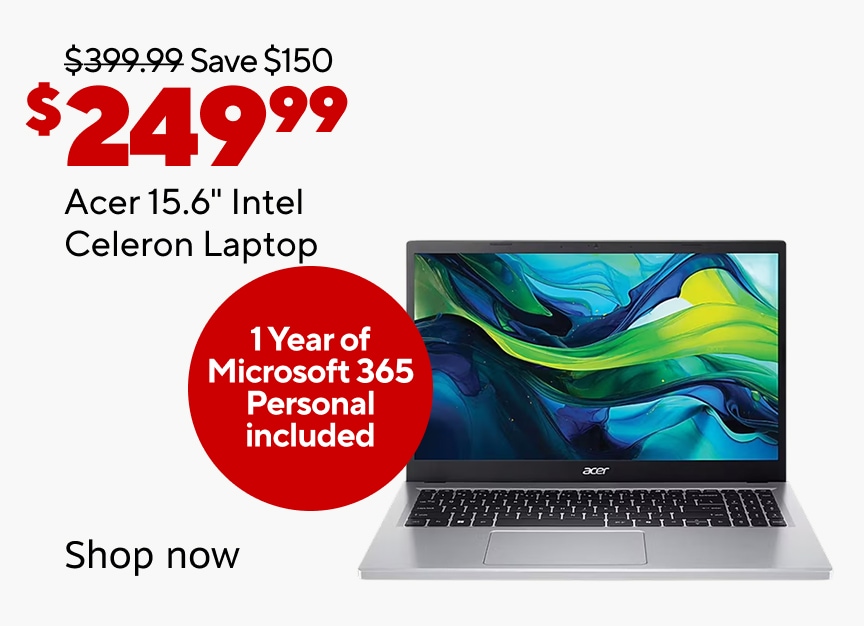
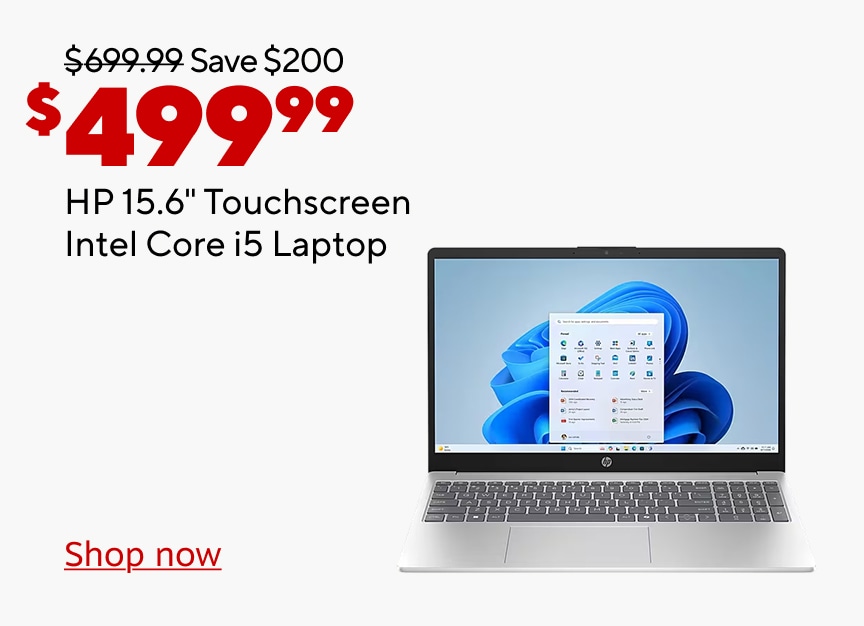
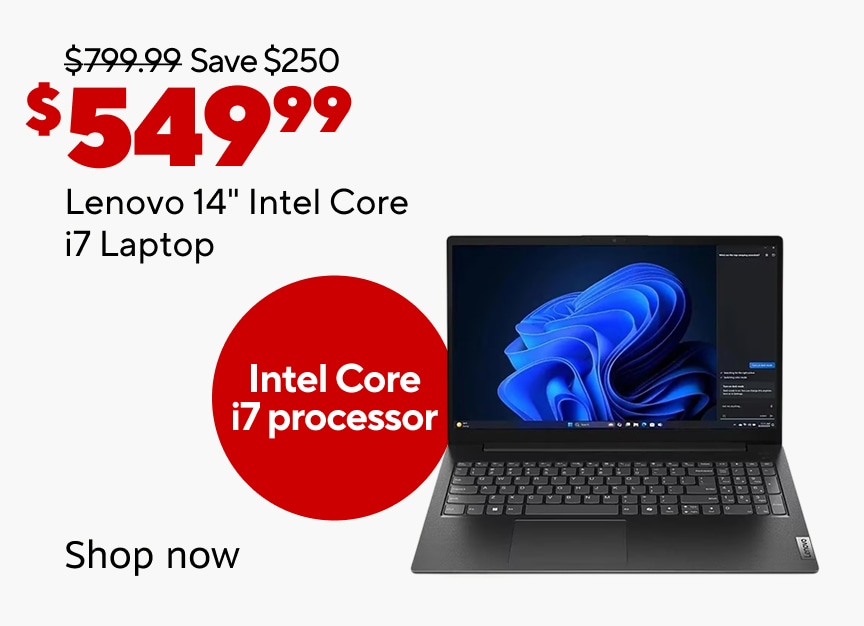

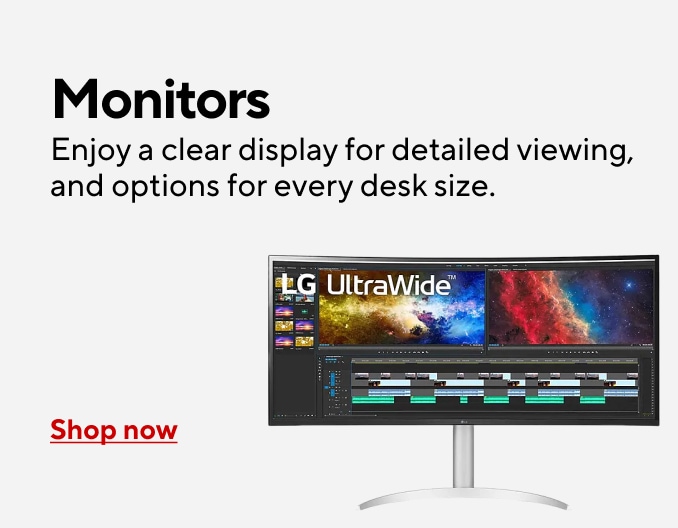



- Save money & the environment with our expertly curated certified refurbished tech.

- Support for Windows 10 ended October 14, 2025. Moving to Windows 11 is easier than ever.













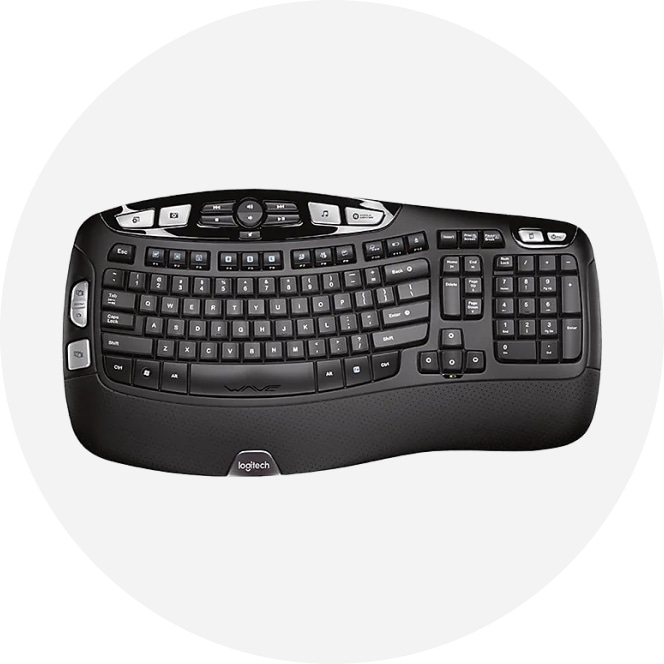
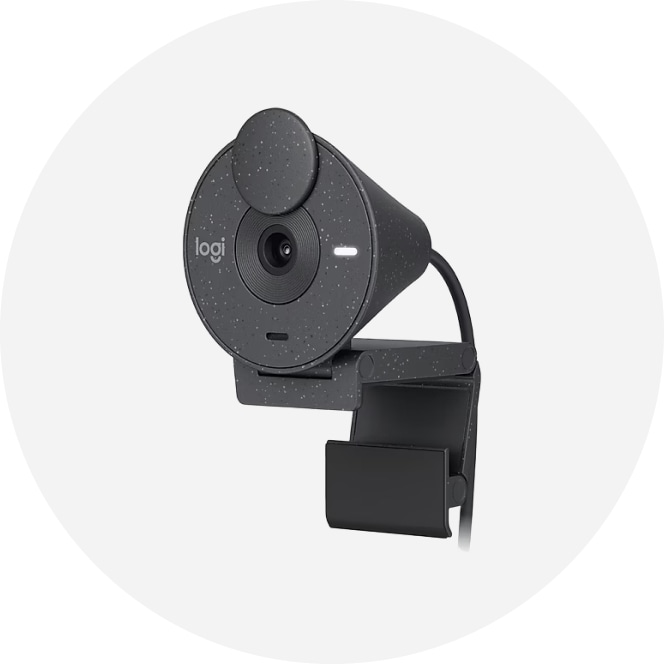
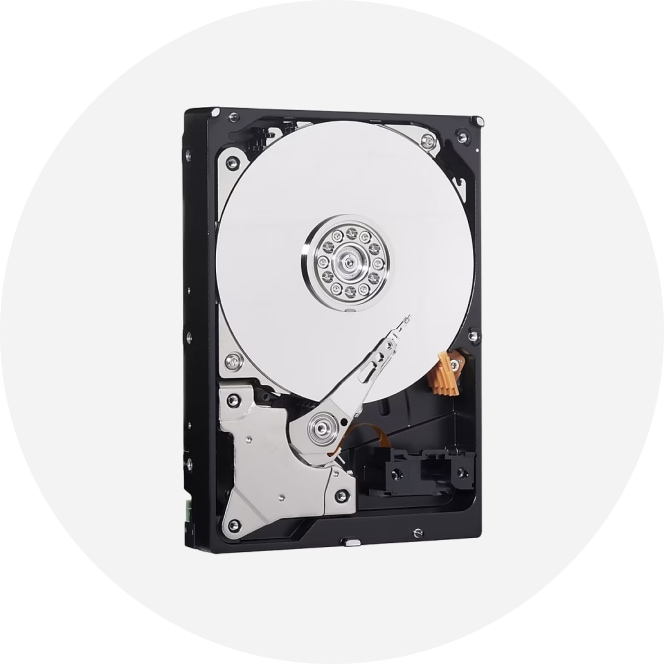
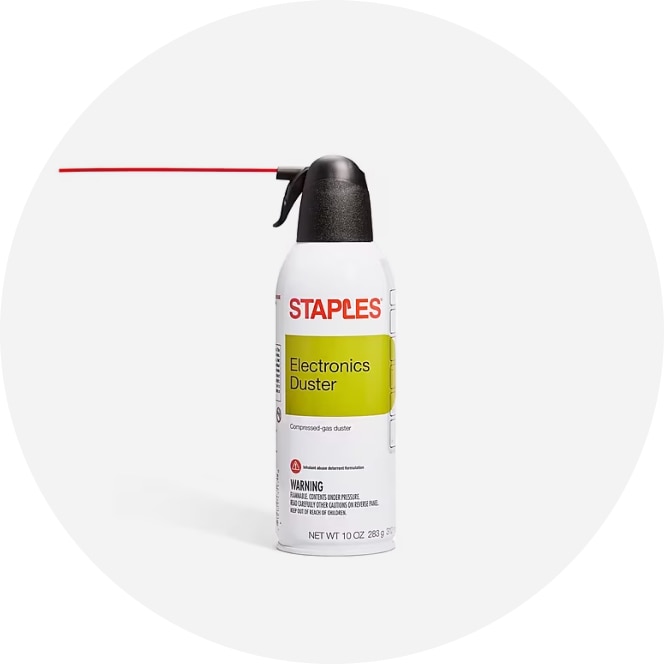
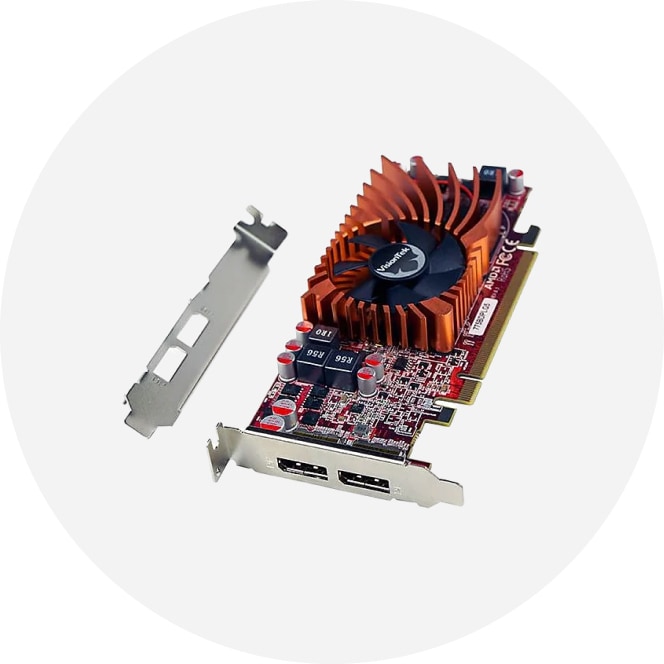




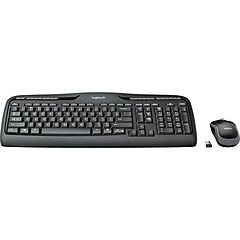


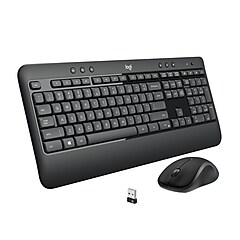

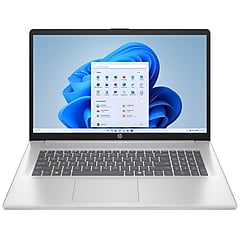

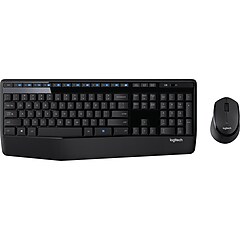


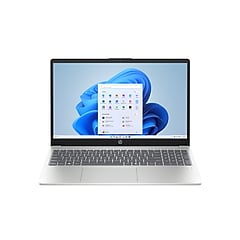


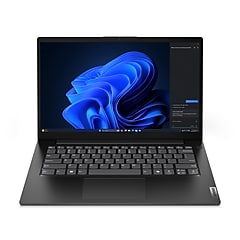


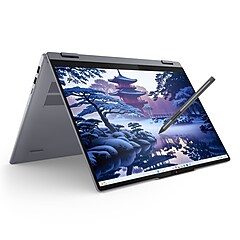


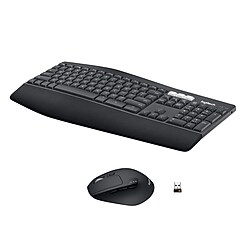


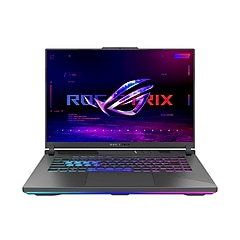


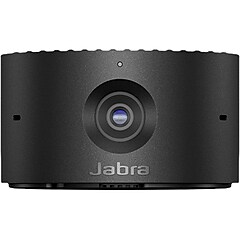

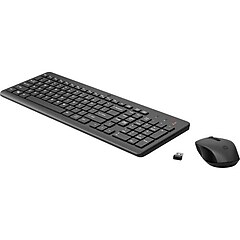


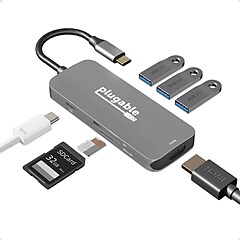


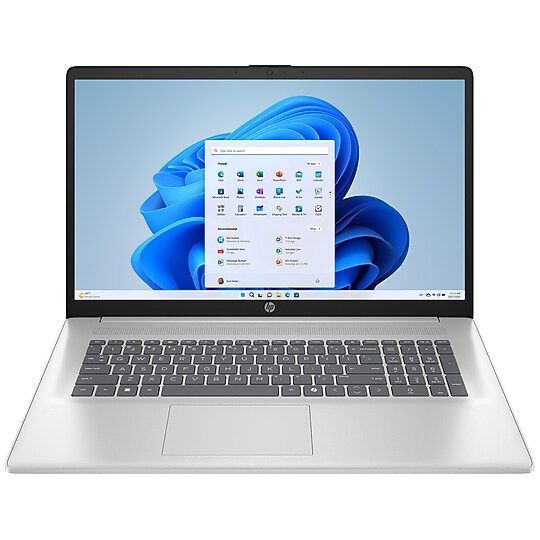


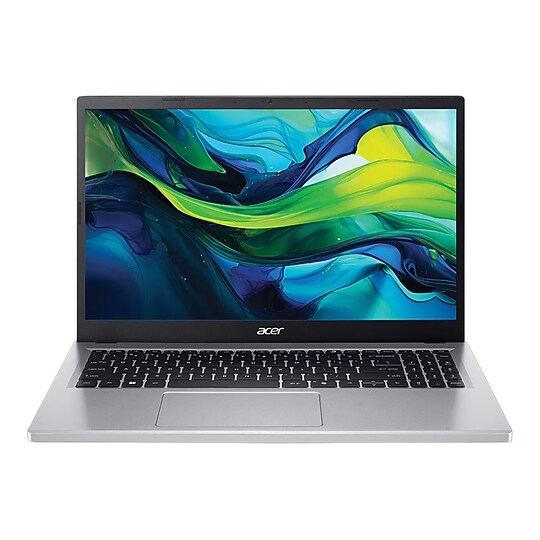


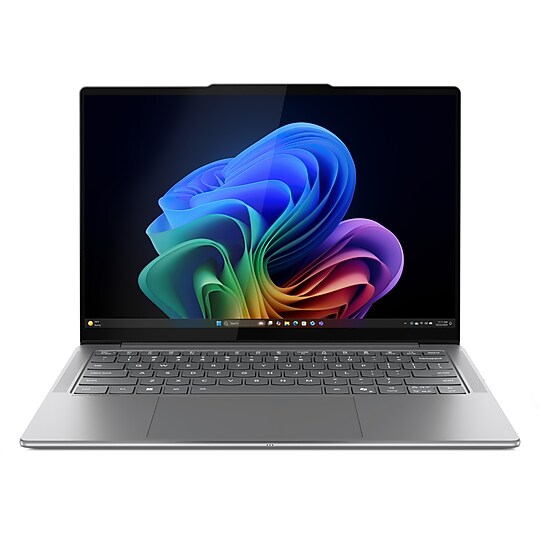

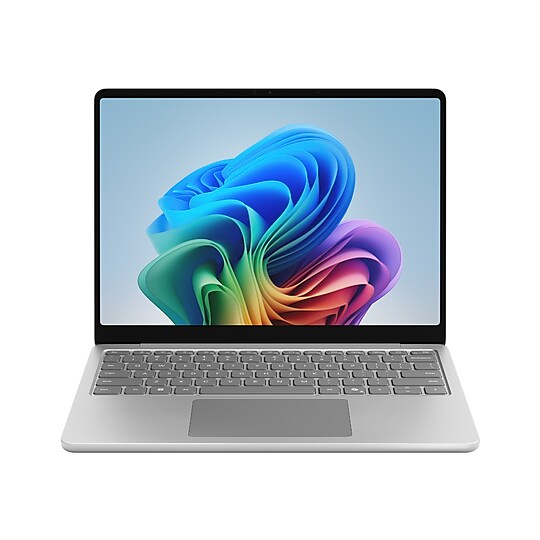

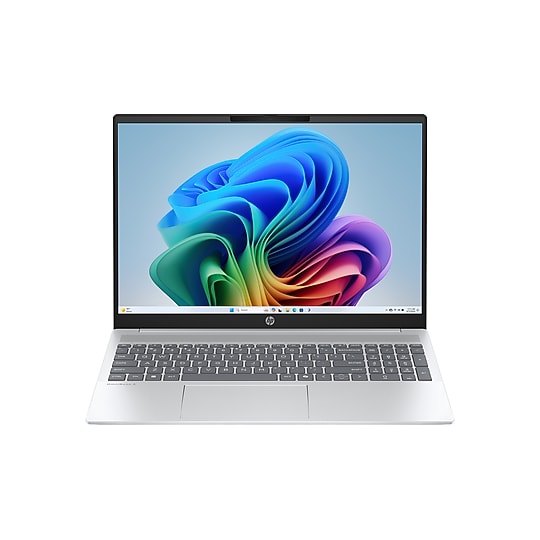
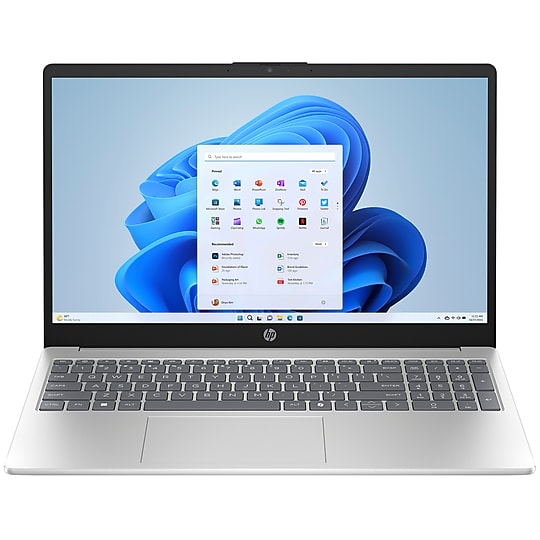


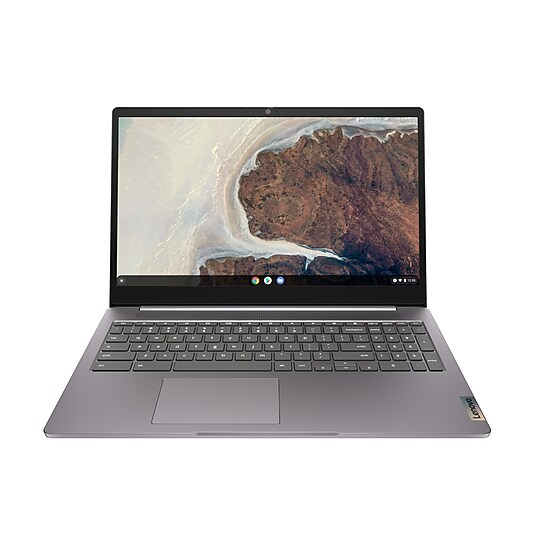
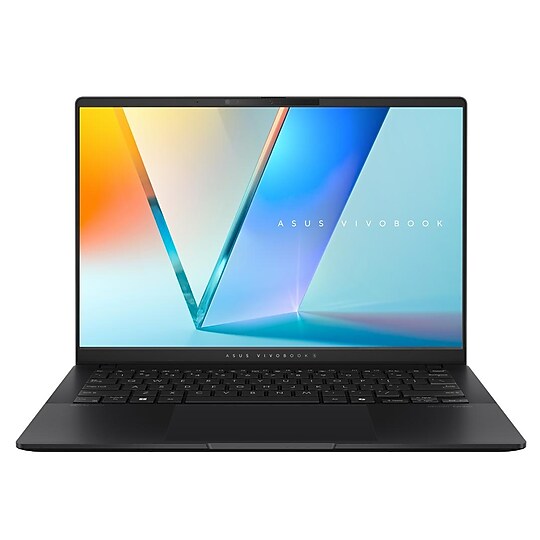


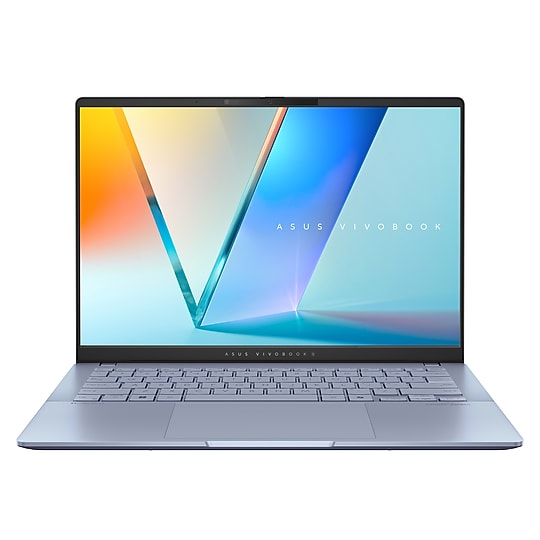
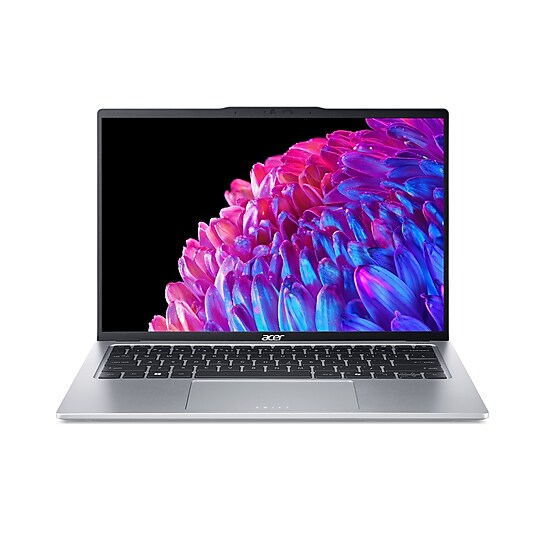


In today's world, computers & accessories play an essential role in both business and home life. Computers & accessories help us stay organized, complete tasks efficiently and communicate with others. At work, laptop computers and desktop computers make it easier to handle documents, spreadsheets and presentations. At home, they let us browse the internet, stream content and connect with loved ones. Whether for professional or personal use, having the right computers & accessories ensures you can meet your goals.
Laptops and desktops: Choosing the right device
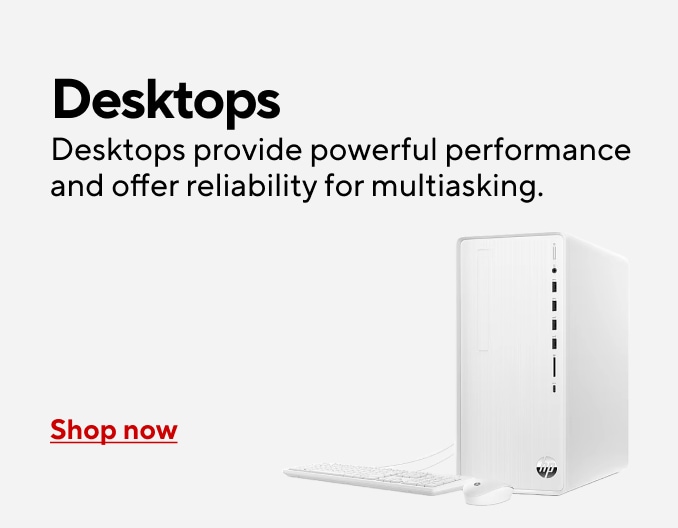
When it comes to finding the perfect computers & accessories, laptops and desktops are often the first choices. Laptops offer the flexibility of portability, allowing users to take them anywhere they need to go. Desktops, on the other hand, often provide more power and storage, which is ideal for demanding tasks or gaming. At your local Staples store, you can explore various models and specifications to find the best fit. You may want to shop computers for features like battery life, screen size and processing power. The accessories range from keyboards & mice to monitors and printers, making it easier to customize your setup to meet your individual needs and preferences. Additionally, choosing between a laptop and desktop might depend on your mobility needs. If you travel frequently or attend numerous meetings, a laptop would be suitable. However, if you require high processing capabilities for video editing or design software, a robust desktop might better serve your needs. Shopping at your local Staples offers the opportunity to test different models and see how each fits into your work or lifestyle, ensuring you make an informed decision that enhances your digital interactions.
Benefits of finding the right computers & accessories
Having the right laptops and desktops, along with suitable accessories, can greatly enhance your productivity and entertainment experience. A faster computer helps complete tasks more quickly, saving valuable time during the day. Accessories like ergonomic keyboards and comfortable mice can reduce strain and make long work hours more pleasant. For gamers, high-performance desktops and gaming laptops with powerful graphics cards provide a smooth, immersive experience. At home, the right setup keeps you connected and entertained, whether it's watching movies or engaging in online classes. By finding the right computers & accessories, you can make everyday activities more efficient and enjoyable. Enhanced connectivity options such as faster USB ports and advanced HDMI capabilities can further streamline operations and enable better multimedia experiences. High-quality displays also improve your interaction with content, offering better color accuracy and resolution. Moreover, investing in premium computers & accessories can extend the lifespan of your technology, ensuring that it remains functional and up-to-date with the latest software for years to come.
The essential features of computers & accessories
Computers & accessories have become essential in both office and home environments due to their versatility and power. Laptops and desktops are at the center of productivity, offering the capability to perform a wide array of tasks from document creation to complex data analysis. These devices are designed with user-friendly interfaces which make technology accessible to both beginners and seasoned users alike. The capability for connectivity through Wi-Fi and Bluetooth allows users to integrate various peripherals seamlessly. Many laptops and desktops also come with built-in security features such as fingerprint recognition or facial recognition, safeguarding your personal data. With hardware upgrades available, such as additional RAM or solid-state drives, these devices can be customized to meet individual needs. The proximity of a Staples store ensures that you can shop computers near me conveniently and get the best support when selecting your computers & accessories. Advanced cooling systems are another crucial feature that maintains the longevity and performance of high-end processors under load. Sound quality, through integrated speakers or via external sound systems, enhances multimedia tasks such as presentations, movies and gaming. Overall, the right computers & accessories not only cater to daily demands but also provide the flexibility to adapt to various professional and recreational needs.
The buying process for computers & accessories
- Identify your needs: Consider what you will primarily use the device for, whether it's for work, gaming or multimedia. Understanding your needs helps in selecting the right laptops and desktops that fit your requirements.
- Set a budget: Decide how much you are willing to spend. This can help narrow down choices when you shop computers, ensuring you find the best value for your money.
- Research brands and models: Different brands offer various features and price ranges. Compare specifications like processor speed, memory and storage to find the most suitable options.
- Visit a store for hands-on experience: Exploring your local Staples allows you to see the products firsthand, test their features and get personal assistance from experts.
- Look for deals and warranties: Check for ongoing discounts, bundled offers or extended warranties for peace of mind in your purchase of laptops and desktops.
The long-lasting value of computers & accessories
Computers & accessories are essential for both home and office use, offering long-lasting performance and support in daily tasks. These products are made with high-quality materials such as durable plastics and strong metals to ensure they stand the test of time. Not only do they serve as reliable tools for work and play, but they also come in chic designs that match various tastes. The durability of laptops and desktops is complemented by warranties and technical support, adding confidence to the purchase. Accessories like keyboards & mice are crafted for extended use, reducing the need for frequent replacements. With a focus on consistent quality and dependability, computers & accessories are perfect investments for long-term use.
Varieties of computers & accessories available
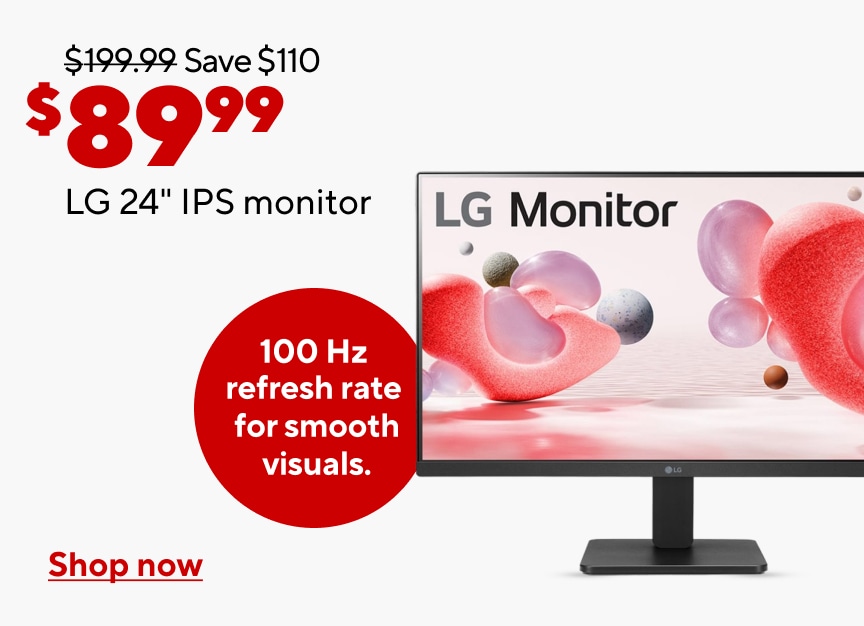
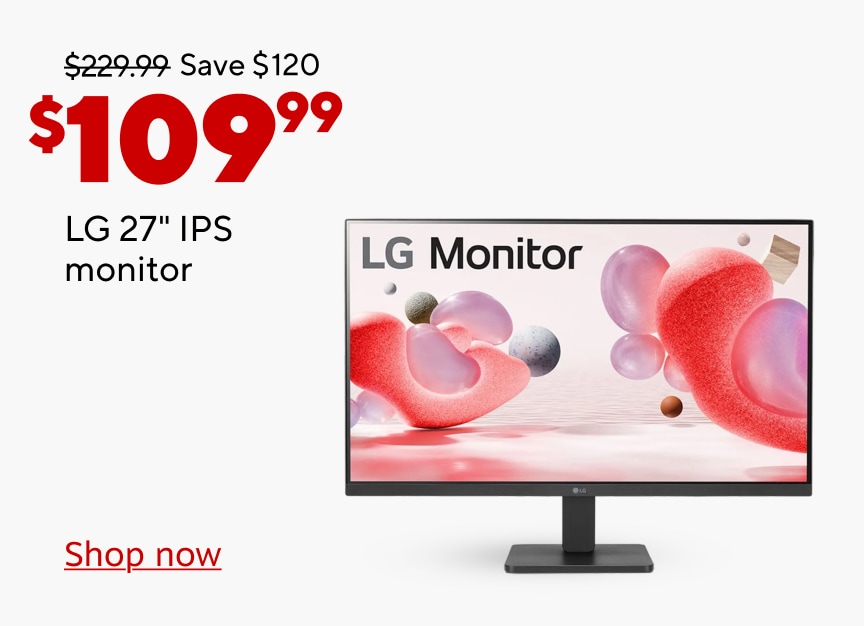
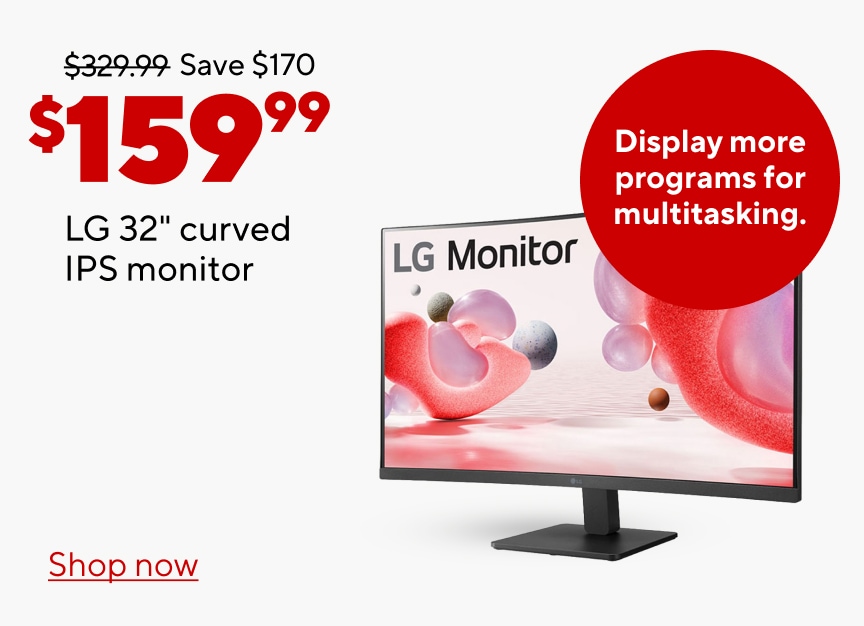
When you explore the world of computers & accessories, you find an exciting range of options to suit every need. From desktop computers that offer powerful performance to versatile laptop computers that cater to on-the-go lifestyles, there are products for everyone. They are available in various sizes, ensuring you find something that fits your space perfectly. Different colors and designs mean you can choose something that matches your personal style. For accessories, there are a variety of options like webcams and computer monitors that come with different features and specifications to cater to diverse preferences. This wide array of choices ensures that you can personalize your computer space to meet your exact requirements.
Versatile use cases for laptops and desktops
Laptops and desktops are incredibly versatile, fitting into various aspects of everyday life whether at home or the office. They are perfect for working professionals needing powerful software for design or analysis. For students, laptops and desktops provide easy access to research and learning tools. At home, these devices serve as entertainment hubs for streaming shows or playing games. They are also helpful for remote work, allowing seamless communication and collaboration on projects. Families can use them for managing household budgets, storing photos or simply staying connected with loved ones. Their adaptability makes laptops and desktops a necessary component in any setting.
How to make a buying decision for computers & accessories
Deciding on the right computers & accessories involves considering several key factors. Start by assessing your specific needs based on whether you require a device for home use or a more robust solution for an office environment. Consider the performance specifications such as processor speed and memory capacity to ensure they meet your daily demands. It's also helpful to look at the size and design to match your workspace or personal preferences. Checking product reviews can give insights into reliability and user satisfaction. Budget considerations are important, so look for items that offer the best value for money without compromising on quality. Don't forget to explore warranties or customer support options for added peace of mind.
Tips for caring for your computers & accessories
- Regularly clean your device with a soft, microfiber cloth to remove dust and debris that can cause damage over time.
- Keep your computer in a stable, temperature-controlled environment to avoid overheating or cooling issues.
- Ensure proper ventilation by placing your computer on a flat, hard surface to avoid obstruction of the cooling fan.
- Update your software regularly to protect against new security threats and ensure optimal performance.
- Use surge protectors to guard against power surges that could damage your electronics.
- Handle accessories like keyboards & mice gently to extend their lifespan and avoid mechanical failure.
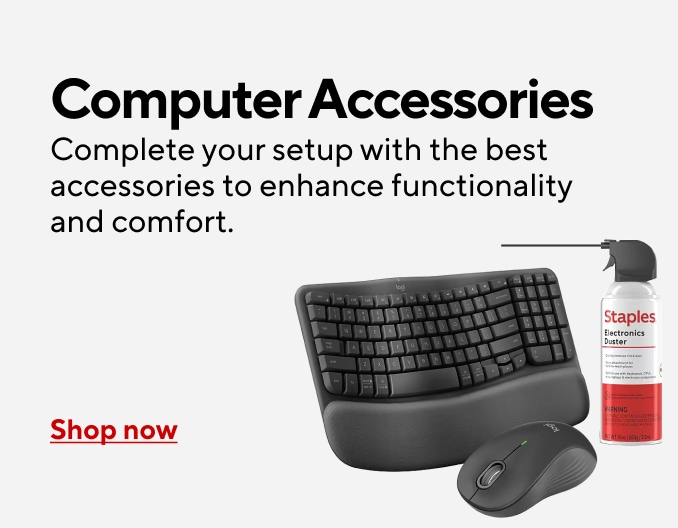
Staples offers a variety of computers & accessories ideal for both home solutions and scalable business setups. Whether you are interested in Staples store near me for in-person shopping or online shopping, you can find desktop computers and laptop computers that meet your requirements. The product lineup also includes essential accessories like webcams and computer monitors. Customers have access to all the necessary components to create an efficient work or home setup. Whether looking to shop computers or laptops, Staples has you covered with quality options and the flexibility to suit various tasks and budgets. Staples ensures that every customer can find devices that enhance connectivity and productivity, from high-performance laptops ideal for professionals and students to robust desktops suitable for demanding software applications. Additional accessories such as keyboards and mice, office headsets and external hard drives are also available to complement any setup. These add-ons are crucial for enhancing the usability and functionality of your computer systems, making tasks smoother and more efficient. For those concerned with ergonomics, Staples provides various supports and stands to ensure comfort during long hours of use. Regardless of your computing needs, Staples delivers with expert advice available in-store or online to guide your purchases, making it easier to navigate the vast selection of products. This commitment to comprehensive service and variety makes Staples a preferred destination for purchasing computers and accessories.