Delivery Only
As early as August 7th with expedited shipping.
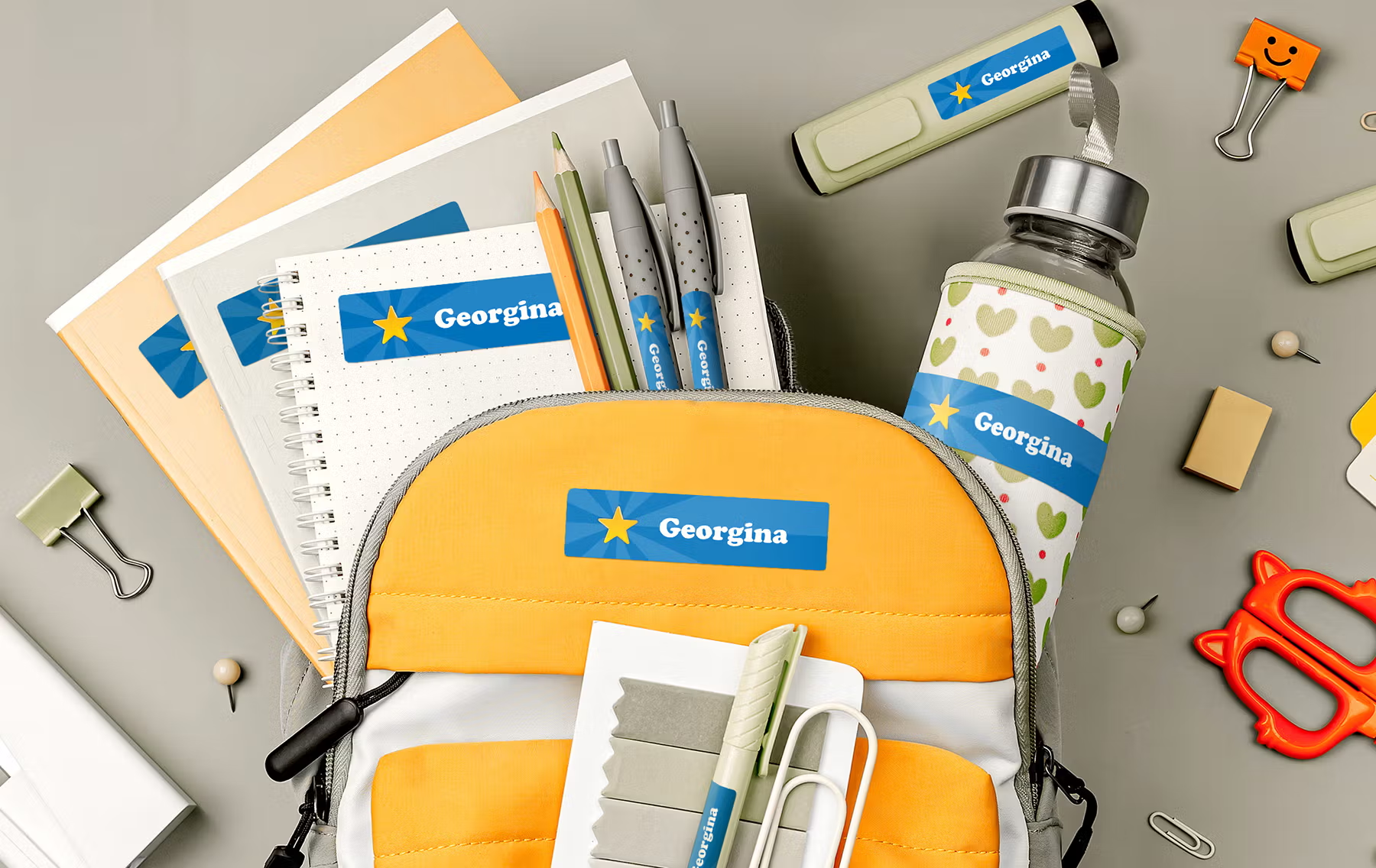
Pictured: Personalized name labels applied to bottles, clothing and school essentials.
Personalized labels for school essentials.

Your name labels are available for

Still need help? Call: 1-888-333-3199 or go to Help Center
Name labels work best on clean, smooth, hard surfaces such as water bottles, lunch containers, bento boxes, baby bottles, plastic cups, metal drinkware, school supplies, and food storage containers. For clothing, they perform best when applied to garment care tags rather than directly onto fabric.
Yes, our name labels are dishwasher-safe when they are applied correctly to smooth, non-porous items. Top-rack dishwasher placement is recommended when possible to reduce exposure to high heat and direct spray pressure.
Apply labels to a clean, dry surface. Remove any oils, residue, or moisture first, then press the label firmly so the adhesive makes full contact. Avoid applying labels to damp, dirty, textured, rubberized, silicone, or oily surfaces.
Customers should allow the adhesive to cure before washing. A minimum of 24 hours is recommended for clothing labels, while 48 hours is ideal for dishwasher-safe labels on bottles, containers, and drinkware. Waiting longer helps the adhesive bond fully and improves durability.
Yes, but performance depends on the surface. Labels generally work best on smooth polyester, nylon, satin, or coated garment care tags. Direct application to fabrics like cotton, fleece, terry cloth, flannel, stretch knits, wool, or textured materials may reduce durability.
Clothing labels can withstand repeated laundering and tumble drying when properly applied, especially when placed on garment care tags. Customers should avoid washing immediately after application and should understand that commercial laundry, bleach, fabric softeners, and aggressive wash cycles may shorten label life.
Name labels perform best when applied to smooth garment care tags rather than directly to fabric. The strongest options are polyester, nylon, satin, smooth woven, or coated synthetic care tags because they are smoother and less absorbent, allowing the adhesive to bond more securely.
Customers should avoid applying stick-on name labels directly to rough, fuzzy, stretchy, highly textured, or treated fabrics. This includes 100% cotton, fleece, terry cloth, flannel, stretch knits, wool, waterproof-coated fabrics, silicone-treated fabrics, and Teflon-treated fabrics, as these surfaces can make it harder for the adhesive to stay bonded through washing and drying.



Copy to clipboard
Copy to clipboard